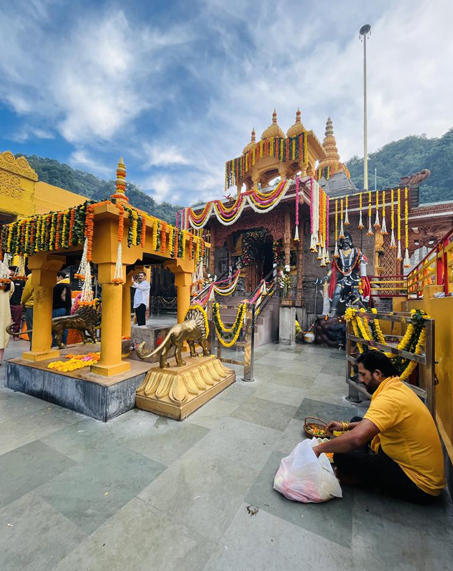
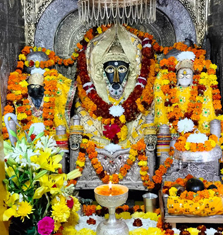
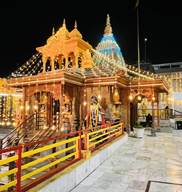
Story of Goddess Baglamukhi (Bankhandi, Kangra)
According to ancient scriptures, during Satyuga, a massive and terrifying storm emerged, threatening to destroy the entire world. Witnessing this calamity that endangered the lives of all living beings, Lord Vishnu became deeply worried and went to Lord Shiva. In response, Lord Shiva instructed him to go near a sacred lake called Haridra in the Saurashtra region and perform penance to please the Adi Shakti (Primordial Goddess).
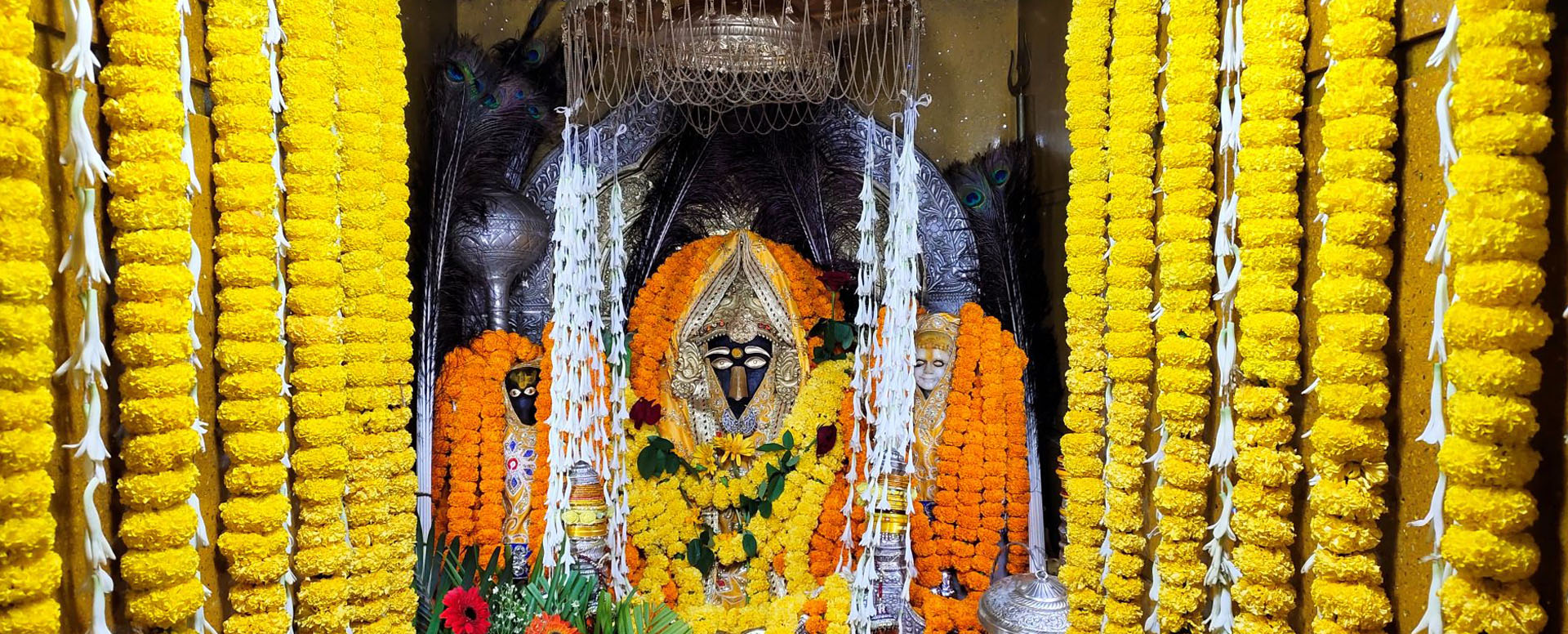
Pleased by Lord Vishnu's devotion, Goddess Bhagwati emerged from the lake in the form of Goddess Baglamukhi and stopped the fierce storm. Hence, Goddess Baglamukhi is also known as the Goddess of Stambhan. Goddess Baglamukhi is often adorned in yellow garments, a colour deeply cherished by her. She is also fondly called Pitambara, meaning "the one who wears yellow."



 ॐ
ॐ 
Our Online Services




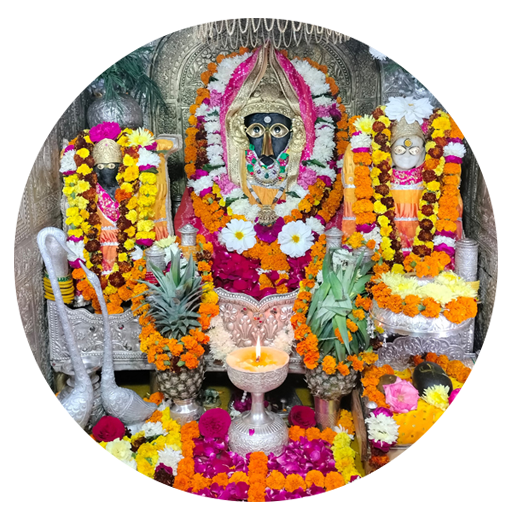
Walk Towards Her, Choose Your Devotion 🪔
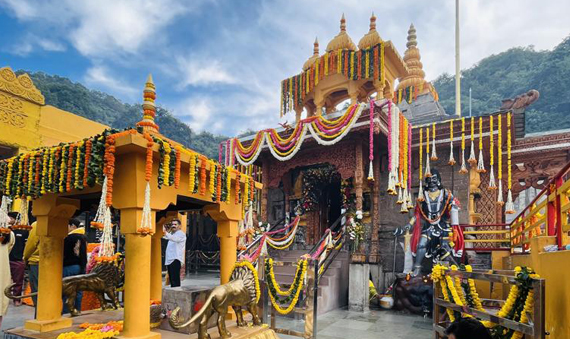
Langar Seva
Langar Seva refers to the community service of providing free meals to all visitors at the temple, regardless of their background or status...
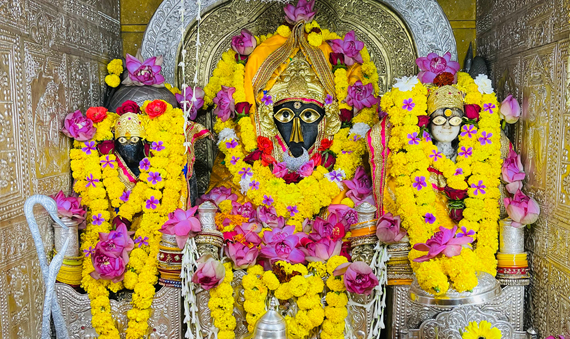
Chola Rasam
Chola Rasam is the ritual of offering a new garment (chola) along with other adornments to Maa Baglamukhi. For her devotees, this..
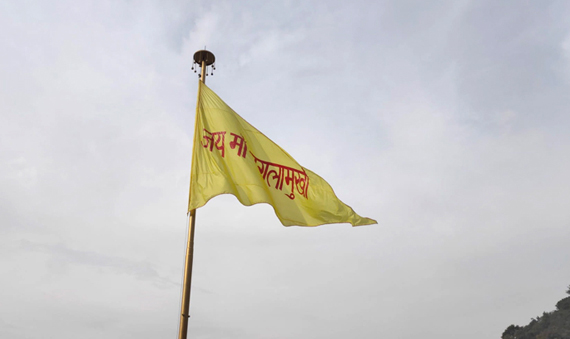
Jhanda Rasam
Jhanda Rasam is another revered ritual at Maa Baglamukhi Temple Bankhandi. In this tradition, a flag (jhanda) is hoisted in honour of Maa,....
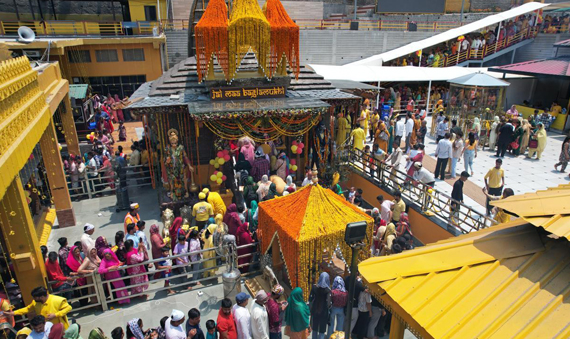
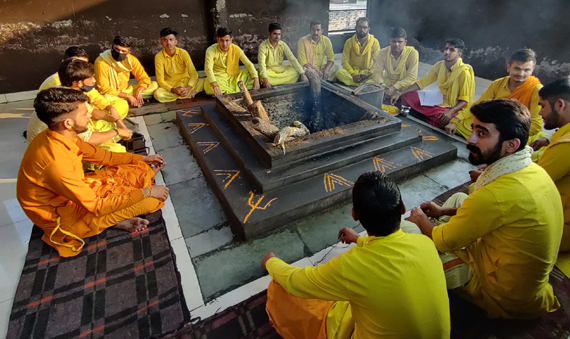
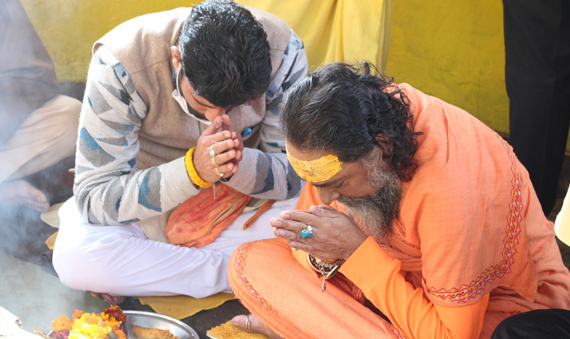
📿 Book a Puja at
Baglamukhi Devi Temple
Experience the divine from your home with a
fully guided ritual and authentic temple prasad.
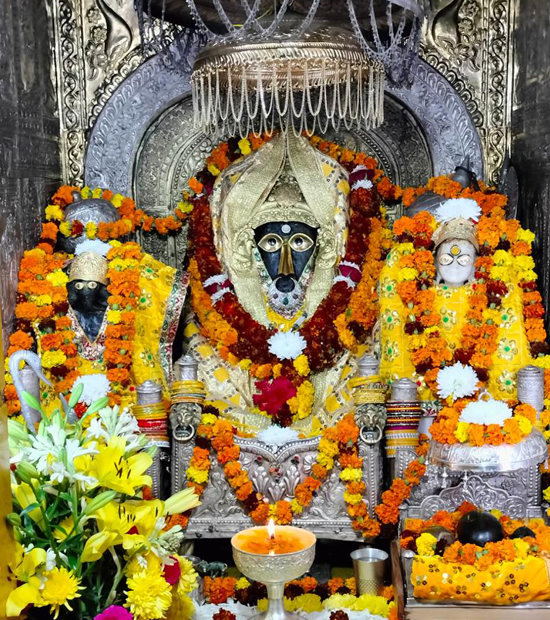
Baglamukhi Havan
Baglamukhi Havan for Shatru Nash, legal victory, obstacle removal, and protection from enemies.
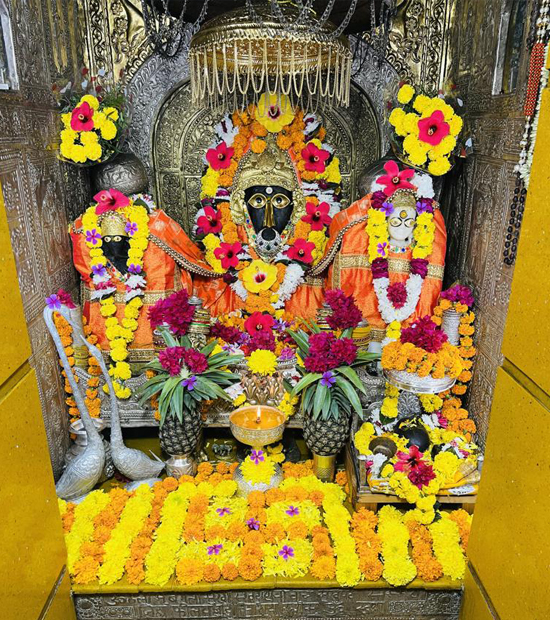
Baglamukhi Puja
Baglamukhi Havan for Shatru Nash, legal victory, obstacle removal, and protection from enemies.
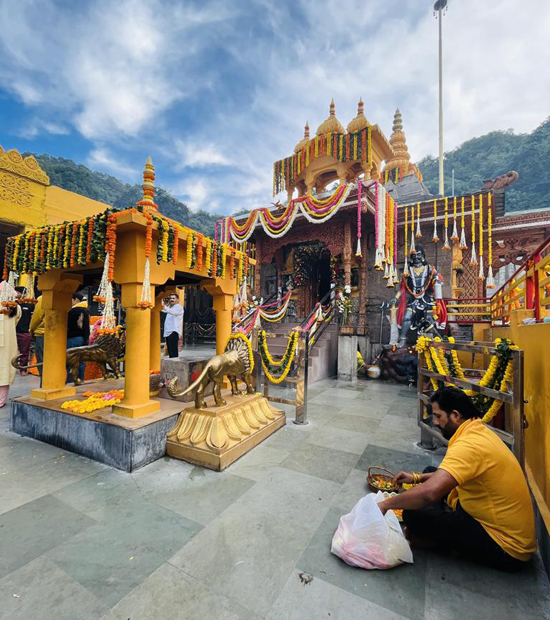
Anusthan
Baglamukhi Havan for Shatru Nash, legal victory, obstacle removal, and protection from enemies.
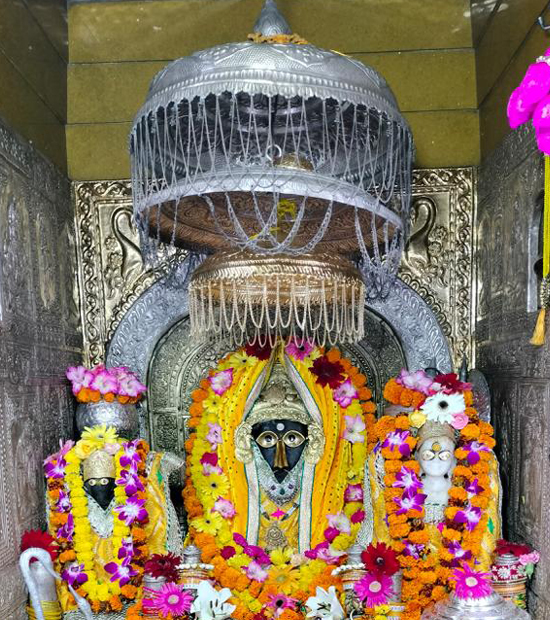
Rasam
Baglamukhi Havan for Shatru Nash, legal victory, obstacle removal, and protection from enemies.
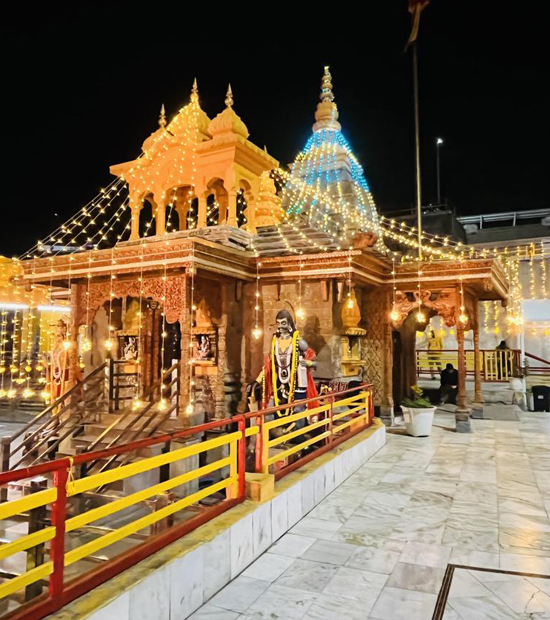
Langar Seva
Baglamukhi Havan for Shatru Nash, legal victory, obstacle removal, and protection from enemies.
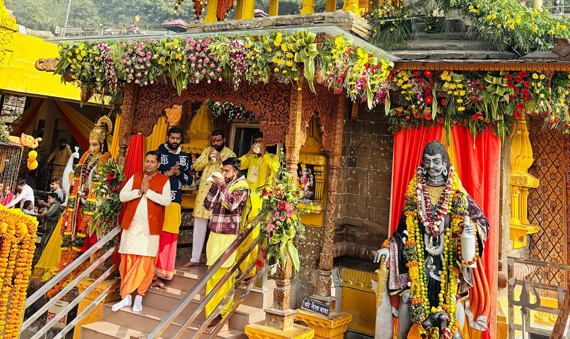
Daily Program
| 5.00 AM | Morning Aarti |
| 6.00 AM | Temple Opening For Darshana |
| 11.00 AM | Mata Ji Ka Bhog |
| 11.00 AM To 11.30 AM | Temple Closed (Bhog Time) |
| 5.30 PM To 6.00 PM | Evening's shringar |
| 5.30 PM To 6.00 PM | Temple Closed |
| 8 PM | Evening Aarti And Shaiya |
| 12.00 AM Night | Temple Closed |
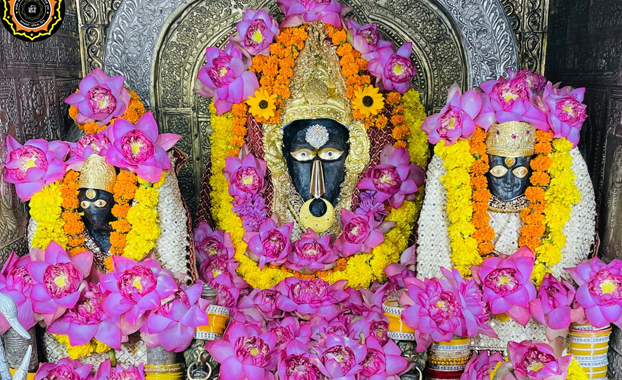
Maa Baglamukhi Yantra
According to ancient scriptures, the word “Yantra” is derived from the Sanskrit root “Yuj”, meaning union, integration, method, connection, or alignment. The term also conveys meanings such as effort, discipline, contemplation, technique, devotion, and concentration. Etymologically, “Yantra” is believed to originate from the Sanskrit word “Yam” (to restrain or hold) and “Traan” (to liberate from bondage). Thus, a Yantra is not merely a mystical diagram - t is a sacred tool to transcend the cycles of birth and rebirth, leading to ultimate liberation. The use of Yantras dates back at least 5,000 years, and they evolved across six historical......
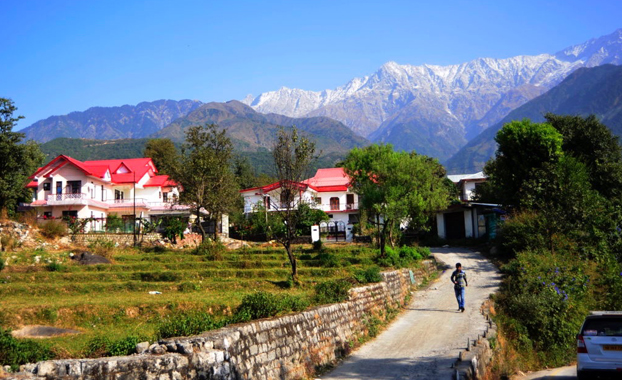
About Kangra
Located in Himachal Pradesh,India, the Baijnath Temple is a famous temple which lies on the Pathankot-Mandi highway (National Highway No. 20) almost midway between Kangra and Mandi. The temple is over 1,000 years old and was constructed in 1204 A.D. According to the two long inscriptions placed in the temple porch, there existed a Shiva temple on the spot where the present one was constructed. The two inscriptions fixed on the walls of the mandapa of the temple gives an account of the ancient history of the temple. The temple was built by two brothers named, Manyuka and Ahuka in Saka 1126 (CE 1204) and is....
What Devoteessay about

Follow us on Facebook
Follow us on Instagram
Photo Gallery
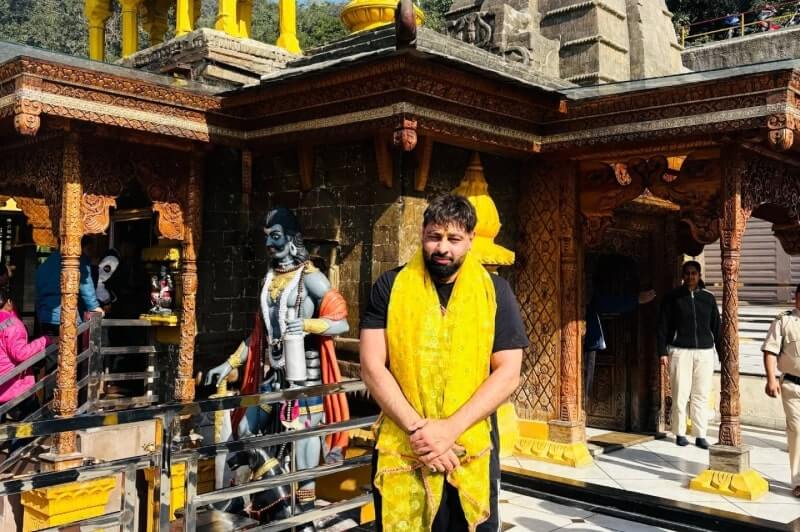
Baadshah visits the revered Maa Baglamukhi Mandir in Bankhandi, Kangra
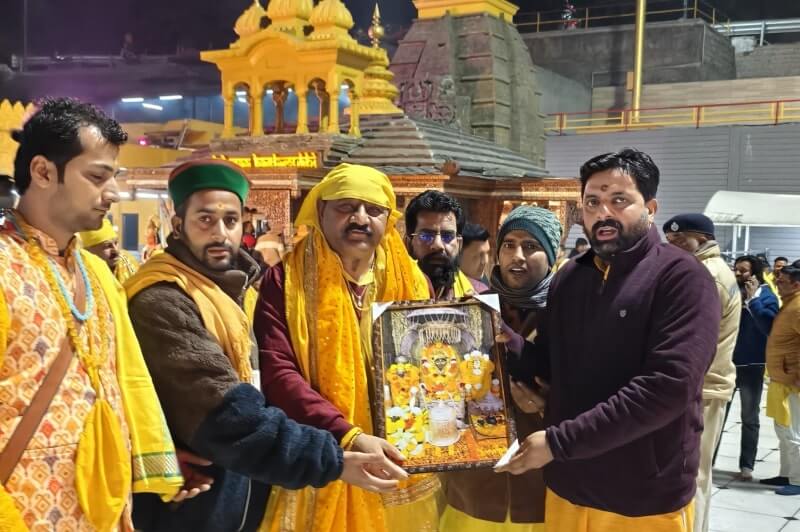
Surinder Kumar Choudhary seeks blessings at the holy Maa Baglamukhi Temple in Bankhandi.
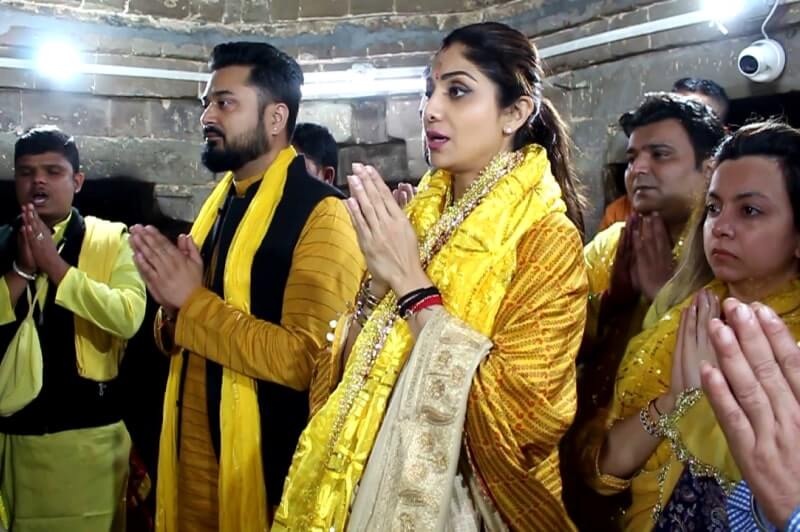
Shilpa Shetty seeks divine grace at Maa Baglamukhi Mandir, Bankhandi.
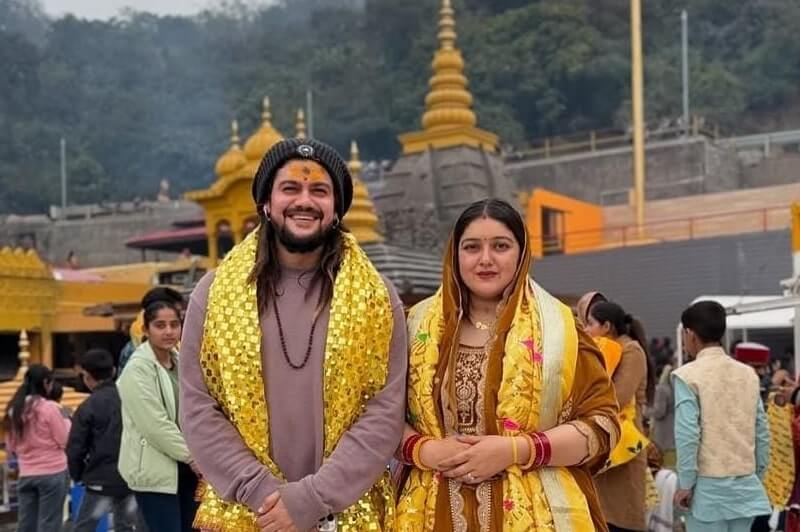
Hansraj Raghuwanshi offers heartfelt prayers at Maa Baglamukhi Temple, Kangra.
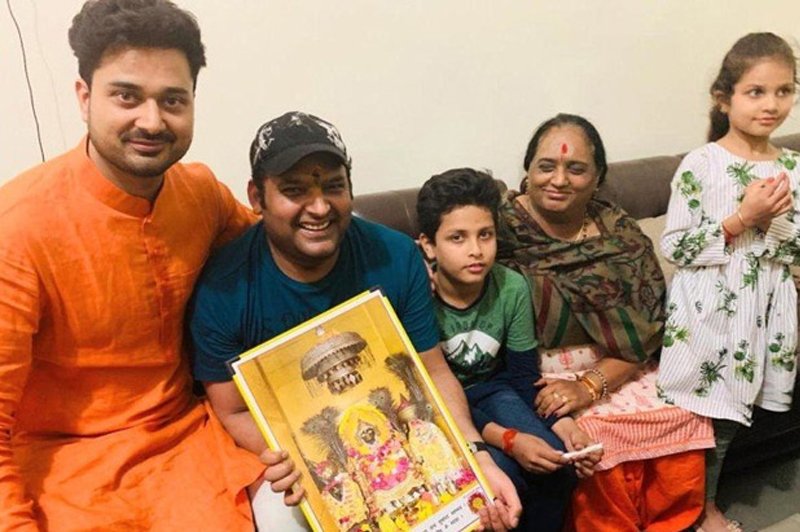
Comedy King Kapil Sharma arrives at Baglamukhi temple
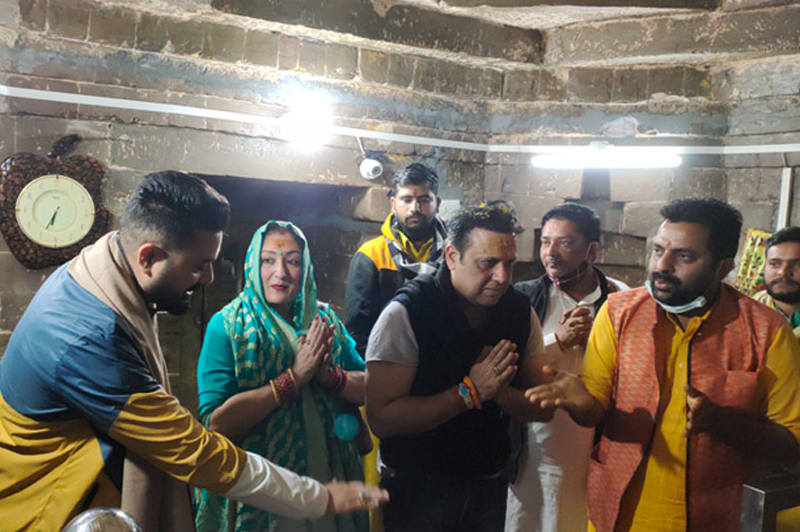
Bollywood Actor Govinda Paid Obeisance Baglamukhi Temple
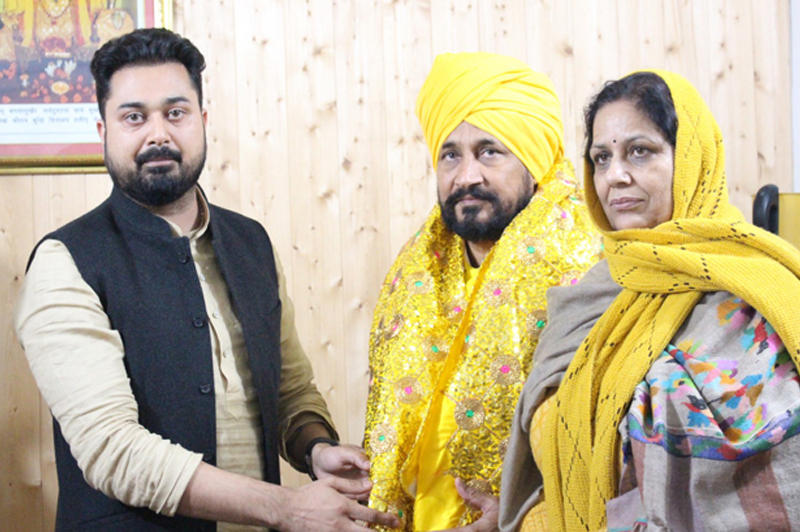
Chief Minister, Government of Punjab Charanjit Singh Channi at Baglamukhi Temple
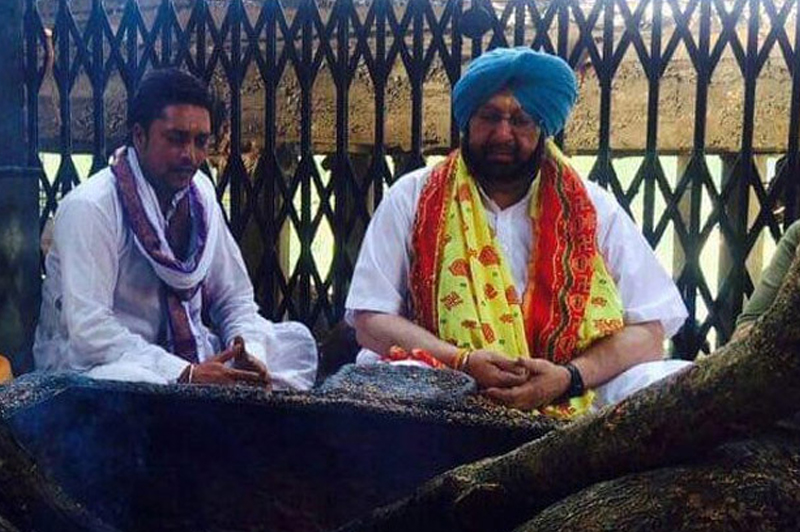
Government of Punjab Cap. Amrinder Singh at Baglamukhi Temple
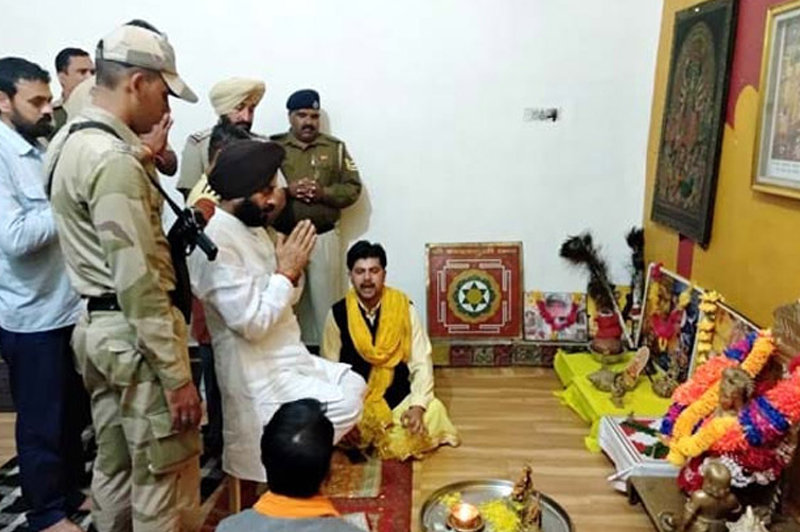
Chairman of All-India Anti-Terrorist Front Maninderjeet Singh Bitta performs puja at the Baglamukhi temple
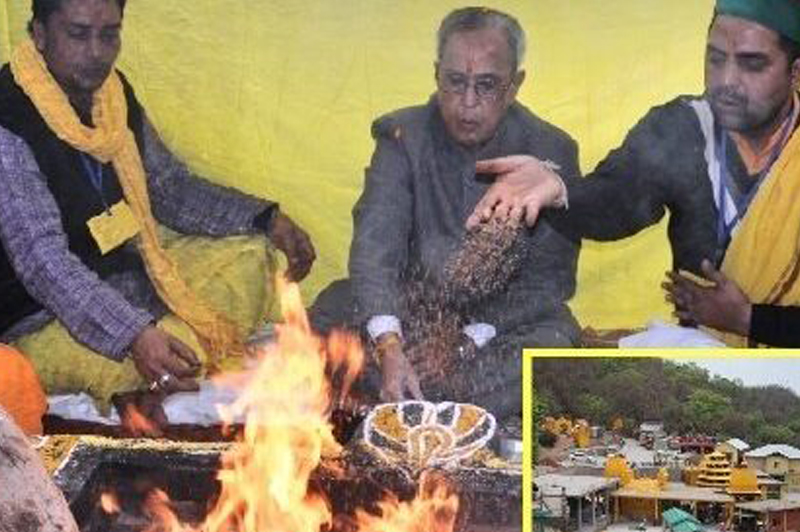
Former President Pranab Mukherjee visits Baglamukhi temple
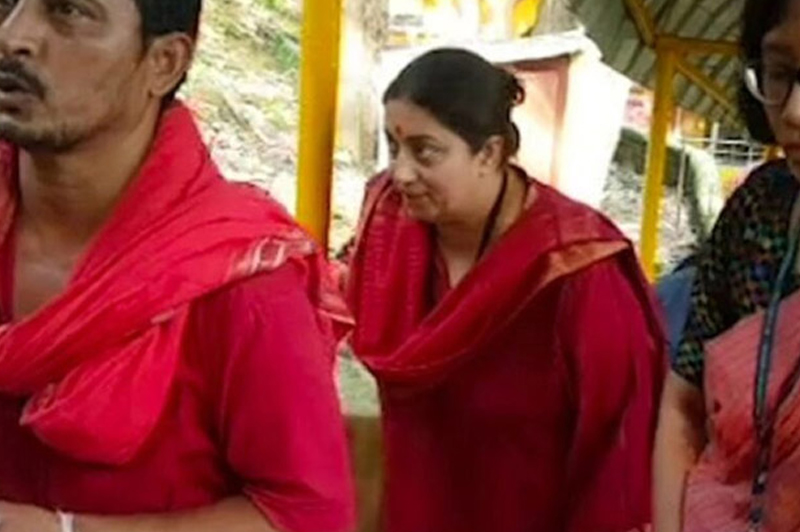
Samriti irani pays obeisance at Baglamukhi temple
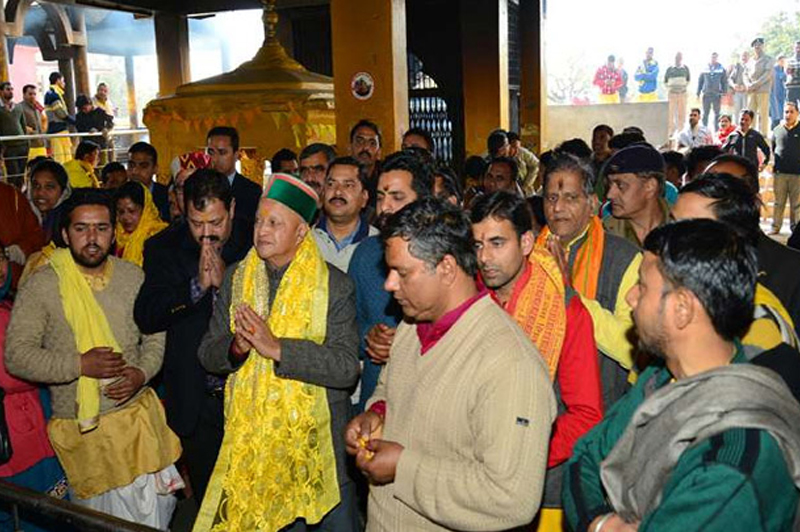
Former CM pays obeisance at Baglamukhi temple
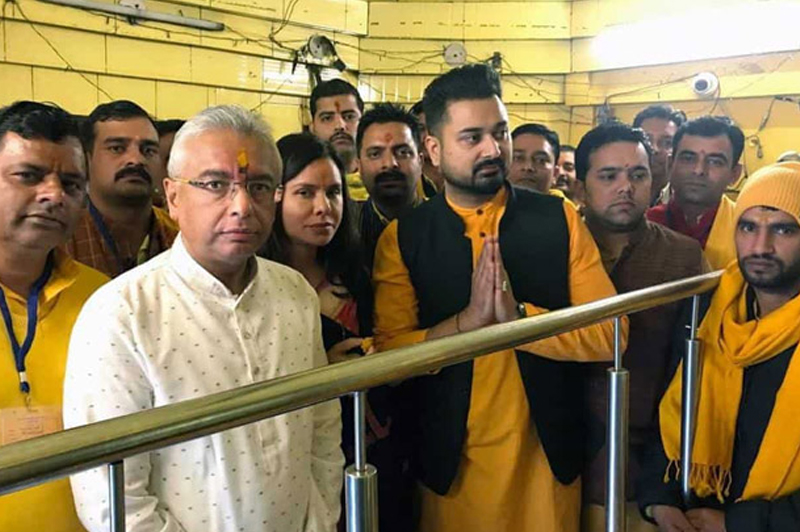
Mauritius Prime Minister on thanks giving visit to Kangra temple